
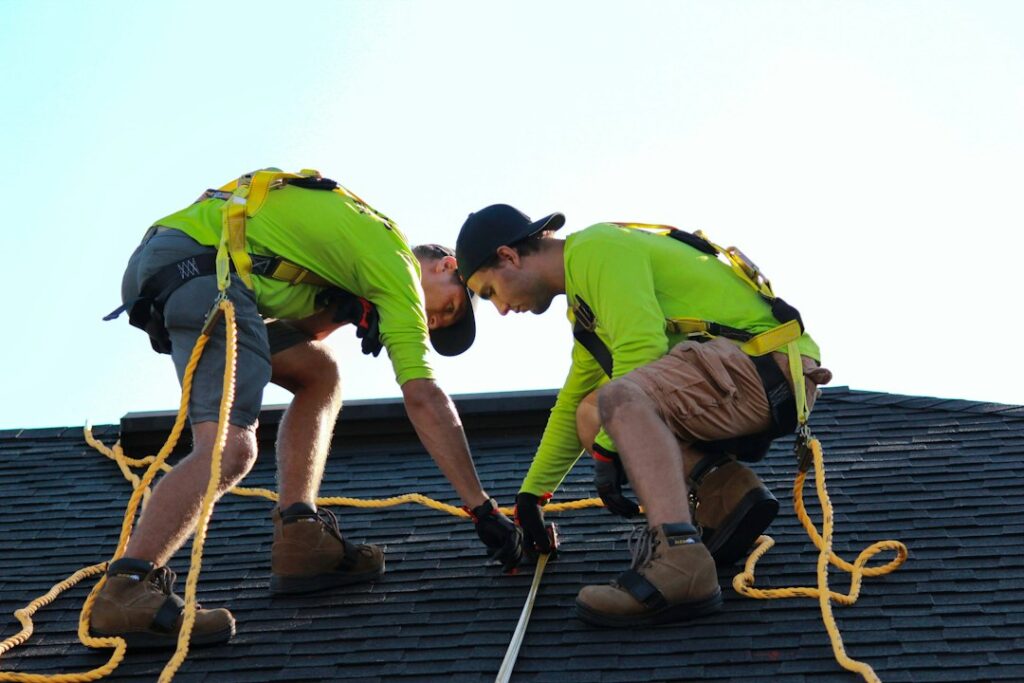
A roof tear-off is the removal of existing roofing materials before a new roof system is installed. In Hamlin, NY, the work may involve more than stripping away shingles: crews must protect the property, manage debris, inspect the roof deck, and account for weather that can change quickly.
Understanding the sequence helps homeowners know what is normal, what deserves attention, and why the project may take longer than the visible removal work suggests.
What happens before the tear-off begins?
Before removal starts, the work area is prepared and the existing roof is evaluated from the ground and, when safe, from the roof surface. The preparation stage helps reduce property damage and identifies problems that may not be visible from inside the attic.
Typical preparation includes:
- Covering shrubs, landscaping, siding, windows, decks, and other vulnerable areas
- Protecting exterior walls and entry points from falling debris
- Moving outdoor furniture, decorations, grills, and vehicles away from the work zone
- Identifying electrical lines, satellite equipment, vents, skylights, and other roof penetrations
- Planning where removed shingles, underlayment, nails, and damaged wood will be placed
- Checking the weather forecast and allowing for changes in wind, rain, or temperature
Homeowners may also notice temporary coverings, protective boards, tarps, or ground protection installed before the first shingles are removed.
A tear-off should not begin if exposed roof areas cannot be kept reasonably dry. Even a short interruption caused by rain can require temporary protection until the roof is ready for the next stage.
How are the old roofing materials removed?
The removal usually begins at the roof edges and works upward in sections. Shingles, flashing, underlayment, and related materials are separated from the roof deck. For homes with multiple roofing layers, the process may involve removing more material than expected.
The work is noisy. Homeowners should expect the sound of scraping, walking, dropping debris, moving tools, and loading materials. Vibrations may be noticeable inside the home, especially near ceilings and upper-floor walls.
Some common materials removed during a tear-off include:
- Asphalt shingles
- Ridge caps and starter strips
- Felt or synthetic underlayment
- Ice-barrier materials
- Step flashing and roof-edge metal
- Pipe collars, vents, and other components that are being replaced
- Nails and small pieces of roof decking
Not every roof component is automatically removed. Some metal elements may be reusable if they are sound and compatible with the new roofing system, while others are replaced because they are bent, corroded, improperly installed, or difficult to seal reliably.
What happens if the roof deck is damaged?
The roof deck is the layer of wood beneath the underlayment and shingles. It provides the surface to which the roofing system is attached. After the old materials are removed, the deck can be inspected much more accurately.
Common signs of deck damage include:
- Soft or spongy areas
- Water staining
- Delamination or splitting
- Mold-like discoloration caused by persistent moisture
- Missing or loose sections
- Nail fatigue around older roofing materials
- Sagging between rafters or trusses
Deck replacement is not automatically required across the entire roof. Usually, only unsound sections are removed and replaced with matching structural panels or boards. The amount cannot be known with certainty until the roof is opened.
Homeowners should expect the possibility of additional repair if the roof has experienced long-term leaks, ice buildup, poor ventilation, or repeated exposure to moisture. A small ceiling stain does not always indicate a small roof problem; water can travel along rafters and roof decking before entering the living space.
Why can a tear-off take longer than expected?
The removal itself may be completed quickly on a simple roof, but several factors can extend the schedule. Roof size, steepness, number of layers, dormers, valleys, skylights, chimneys, and attached structures all affect the work.
Weather is especially relevant in Hamlin. Rain, strong wind, freezing temperatures, snow, and wet roof surfaces can interrupt work or make certain steps unsafe. Cold conditions may also affect how roofing materials are handled and installed. A delay does not necessarily indicate poor planning; protecting an open roof is more important than continuing through unsafe conditions.
Other causes of delay can include:
- More damaged decking than visible from the exterior
- Difficult access for debris removal
- Hidden rot around roof penetrations
- Damaged flashing at walls, chimneys, or dormers
- Unexpectedly thick or multiple roofing layers
- Water trapped beneath old materials
- Cleanup requirements after a windy work period
What should homeowners expect inside the house?

Most tear-offs take place outside, but some indoor effects are possible. Vibrations may cause dust from attic insulation or loose debris to settle. Pictures, fragile objects, and ceiling-mounted items may be affected by repeated movement.
Before work begins, it is sensible to:
- Remove delicate items from upper-floor shelves
- Secure hanging objects and fragile ceiling fixtures
- Cover belongings stored in the attic
- Keep children and pets away from work areas
- Avoid using rooms directly beneath active roof work when practical
- Watch ceilings and walls for new signs of water entry during weather delays
A small amount of dust or vibration can be normal. New water staining, dripping, a sagging ceiling, or a strong musty odor is not something to ignore.
How is debris handled?
A tear-off creates a large amount of waste. Old shingles are heavy, and the debris often includes nails, wood fragments, underlayment, and metal pieces. Materials may be lowered through controlled methods or placed into a designated container.
Ground cleanup should include checks around:
- Driveways and walkways
- Garden edges and mulch
- Shrubs and lawn areas
- Decks and porches
- Gutter lines
- Areas near garages, sheds, and fences
Magnetic tools are commonly used to locate stray roofing nails, but no cleanup method guarantees that every fastener will be found immediately. Homeowners should use caution when walking around the property during and shortly after the project, especially in grass, gravel, or leaf-covered areas.
What should be checked before the new roof is installed?
The roof deck should be reasonably clean, dry, and structurally sound before new roofing materials cover it. Roof edges, valleys, penetrations, flashing, and ventilation openings also deserve attention.
Questions worth asking during the process include:
- Were any damaged deck sections found?
- Are the roof edges straight and secure?
- Are areas around chimneys, walls, and skylights properly prepared?
- Are attic ventilation paths blocked or damaged?
- Is temporary protection in place if the roof cannot be completed that day?
- Has the property been checked for loose nails and debris?
Local building requirements may affect roof replacement details, including underlayment, flashing, ventilation, and permit procedures. Requirements can vary based on the scope of work and the property, so residents should verify current rules before work begins.
What does a completed tear-off look like?
A completed tear-off means the old roofing system has been removed, damaged deck areas have been addressed, and the roof is ready for installation or has already received its new protective layers. The property should also be reasonably clear of debris, with temporary coverings removed once the roof is weather-tight.
The most visible part of the job is often the removal of shingles, but the more important work is what happens underneath. A careful tear-off reveals hidden conditions, allows weak materials to be corrected, and creates a sound surface for the replacement roof system.
