
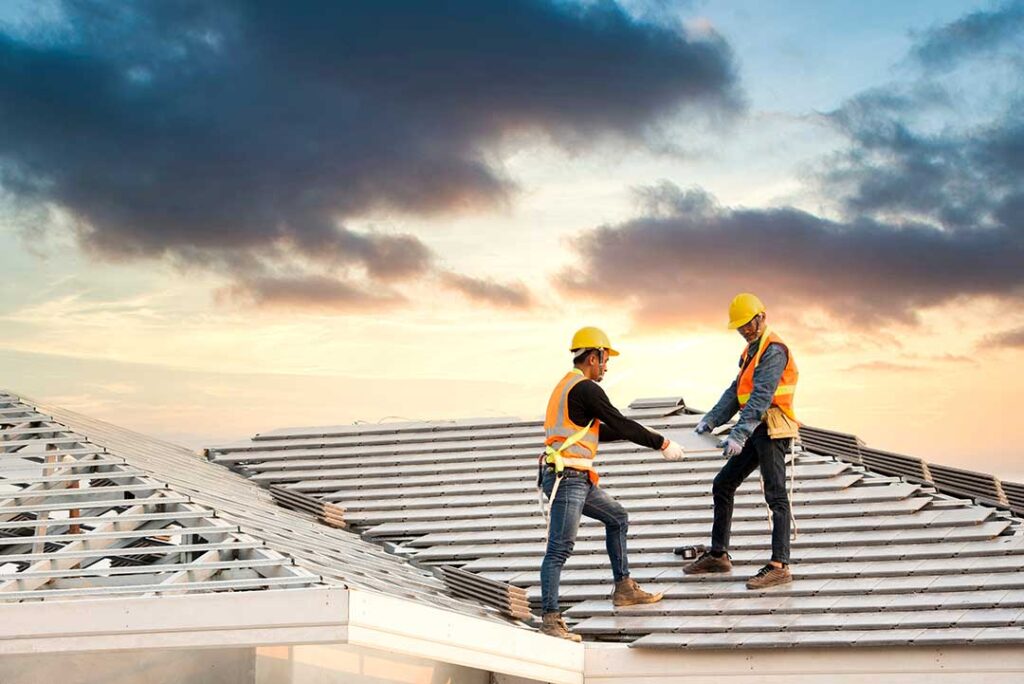
What Is Roof Decking and Why Does It Matter in Hamlin, NY?
Roof decking is the wooden foundation beneath your shingles or other roofing materials. It’s essential for keeping your roof structurally sound and weather-resistant, especially in a climate like Hamlin, NY, where roofs must stand up to heavy snows, rains, and fluctuating temperatures. Ignoring damaged decking can lead to leaks, insulation problems, or extensive structural repairs down the line.
What Are Warning Signs of Decking Problems You Can Spot From the Ground?
Certain clues suggest hidden issues even if you aren’t climbing on the roof:
- Visible Sagging or Unevenness: If the roofline appears wavy or dips in certain spots, the decking underneath could be weakened or water-damaged.
- Water Stains on Ceilings or Upper Walls: Brown or yellow stains indoors, especially after storms or melting snow, may stem from compromised decking allowing leaks.
- Mold or Musty Odors in Attic Spaces: Persistent dampness or strong smells upstairs often indicate that moisture is penetrating the roof deck and lingering in insulation.
Residents in Hamlin often first notice these signs during seasonal transitions—such as after heavy spring rainfall or during the winter thaw—which can quickly reveal hidden vulnerabilities in roof decking.
Can You Identify Decking Issues During DIY Roof Checks?
A close-up roof inspection (when safe and accessible) can reveal more direct evidence of trouble:
- Soft or Spongy Spots: Walking carefully (with proper safety precautions) and finding areas that feel less firm is a classic sign of rotted or delaminated decking.
- Visible Rot or Crumbling Wood: Exposed decking, perhaps at the eaves or along the roof edge, that looks darkened, soft, or is falling apart has likely been compromised by water.
- Popped or Missing Nails: Roofing nails backing out or falling away may indicate boards are no longer holding fast due to swelling or decay.
Homeowners in the city who perform these checks after major storms or during yearly maintenance will often catch early problems before they worsen.
Is Attic Inspection Useful for Roof Decking Assessment?
Looking in the attic during daylight hours can reveal important clues:
- Sunlight Peeking Through: Small pinpricks or streaks of daylight coming through the roof boards suggest gaps or deteriorated wood that may not be weatherproof.
- Dark Patches or Water Streaks: Staining or streaks on the underside of decking boards point to repeated leaks, which can eventually cause rot.
- Peeling or Damaged Insulation: Insulation falling away from the roof surface or feeling damp signals potential ongoing leaks in the decking above.
In Hamlin, ice dams and wind-driven rain during colder months mean that attic checks are especially worthwhile in late winter and early spring.
How Do Seasonal Conditions in Hamlin Affect Roof Decking?
Local weather patterns play a major role in roof deck lifespans. Heavy lake-effect snow, frequent freeze-thaw cycles, and humid summers put added stress on both shingles and the decking below.
- Snow Loads: Prolonged, heavy snow accumulations can force moisture under shingles and onto the decking, sometimes leading to slow decay over months or years.
- Ice Dams: When melting snow refreezes at the roof edge, pooled water can back up and seep down through the decking.
- Storm Winds: High winds common in the Hamlin area can lift shingles or blow rain sideways, exposing vulnerable decking seams to moisture.
Being aware of these local factors can help area households know when to inspect or monitor their roof decking for early issues.
What Are Common Misconceptions About Roof Decking Problems?
A few assumptions often get residents in trouble:
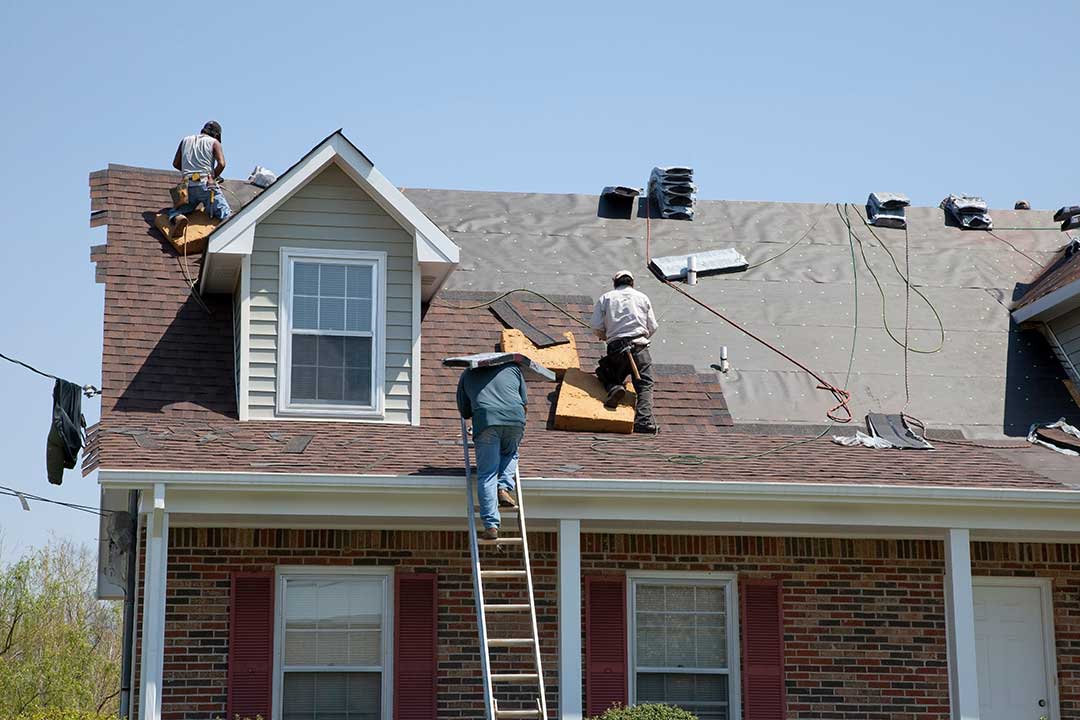
- “New Shingles Mean the Decking Is Fine”: Replacing just the roofing material without checking the decking is risky. Damaged boards underneath will still cause problems, even with brand new shingles.
- “Leaks Always Start with Missing Shingles”: While obvious gaps in the roof surface are a red flag, moisture can sometimes sneak in through hidden cracks or compromised decking with perfectly intact shingles overhead.
- “It’s Only a Small Stain, So It’s Not Serious”: Even small indoor stains may hint at larger hidden issues above the ceiling, especially if they change appearance after each storm or snowmelt.
When Does Roof Decking Need Immediate Attention for Safety?
Certain situations require prompt action due to potential safety hazards:
- Large, sagging sections of roof visible from outside or inside
- Multiple rooms with new water damage after a single weather event
- Obvious signs of mold or extensive wood rot in the attic or at roof edges
If a portion of the roof feels dangerously soft, shows severe sagging, or mold appears widespread, correcting the issue as soon as possible helps prevent more extensive repairs and keeps homes structurally sound.
How Can Residents Prevent Roof Decking Damage?
Consistent maintenance and observation are the best defenses:
- Keep gutters clear of debris so water drains away quickly year-round.
- Monitor for ice damming in the winter and use safe removal methods.
- Trim trees and overhanging branches to reduce shade and physical wear on the roof.
- Inspect attics and upper rooms seasonally for signs of moisture or staining.
Practicing these habits helps Hamlin households extend the lifespan of both their roofing material and the underlying deck, reducing the odds of more disruptive repair needs in the future.
