
How Do Severe Winds Damage Roofs in Hamlin, NY?
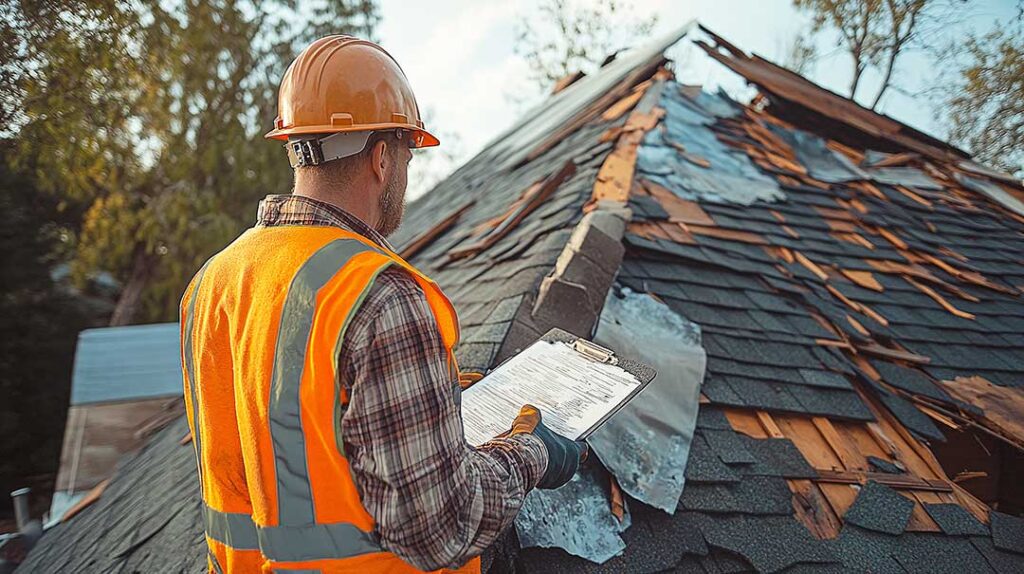
Severe winds can loosen, lift, or even tear off roofing materials found on homes throughout Hamlin, NY. Wind doesn’t always blow evenly across a roof — instead, it tends to create powerful uplift forces along the edges, ridges, and corners, where materials can be more vulnerable. Over time, even one strong storm event may be enough to compromise parts of the roof and introduce leaks.
Common issues wind can cause include:
- Shingles being cracked, curled, or blown off entirely
- Flashing or metal edge strips becoming loose or missing
- Loss of roof granules, which protect asphalt shingles from UV rays and water
Which Types of Roofs Are Most at Risk from Wind Damage?
Roofs in Hamlin vary widely, but several factors influence how likely a roof is to experience wind damage. Generally, asphalt shingle roofs—a common choice in the area—can lose shingles in strong gusts. Older roofs, those with aging or worn materials, or roofs installed with minimal attention to fastening or local wind ratings, tend to suffer the most.
Vulnerable points to watch:
- Poorly attached shingles, tiles, or metal panels
- Roof edges and overhangs exposed to direct wind
- Roofs with unprotected ridgelines, hips, or valleys
Manufacturers rate many roofing materials for specific wind speeds, but installation methods and the age of the roofing play just as important a role.
What Wind Speeds Typically Cause Damage in This Area?
In Hamlin, gusts above 40–50 mph are common during storms, especially in late fall and early spring. Most standard asphalt shingles rated for entry-level performance may be damaged at sustained wind speeds above 45 mph, but isolated gusts may rip off even newer materials under the right conditions. Heavier winds—approaching 60 mph or more—can cause more serious material loss, especially on aging roofs.
Localized events such as microbursts, which sometimes occur during summer thunderstorms, can also unexpectedly damage roofs even on relatively calm days.
What Signs of Wind Damage Should Area Residents Look For?
After a windstorm, it’s wise to inspect the roof from the ground or a safe vantage point. Certain signs usually mean wind has affected the roof:
- Missing, cracked, or upturned shingles
- Exposed underlayment or decking
- Flashing at chimneys or vents that looks bent or pulled away
- Stray shingles or roofing materials in the yard
- Granule accumulation in gutters or downspouts
Sometimes, wind-driven debris can create punctures or scrapes, so it’s also helpful to look for sticks, limbs, or branches on the roof surface.
Are There Long-Term Effects of Repeat Wind Exposure?
Long-term, repeated exposure to high winds—even levels below severe thresholds—can gradually weaken roofing materials. Fasteners may loosen, adhesives age faster, and protective granules erode or wash away. This subtle wear isn’t always immediately obvious but often results in leaks or more serious issues during the next heavy storm.
Over time, recurring wind exposure may also affect attic ventilation, soffits, and the integrity of roof sheathing, making older roofs more susceptible to future storm impacts.

How Do Local Climate and Geography Play a Role?
Hamlin’s open areas, proximity to Lake Ontario, and typical seasonal weather all contribute to heightened wind risks for local neighborhoods. Homes on exposed lots, such as near open fields or in higher elevations, often feel the strongest gusts. Trees surrounding a property can offer some shelter, but falling branches present separate risks during storms.
Winter windstorms can also drive ice or wet, heavy snow under lifted shingles, compounding regular wind damage and increasing the risk of leaks or water intrusion.
What Are Practical Steps to Minimize Wind Damage?
While no roof can be made completely windproof, there are reasonable ways area homeowners can reduce the odds of costly damage.
- Have loose, missing, or damaged shingles replaced before storm season.
- Clear debris from gutters and downspouts so water can exit freely.
- Trim tree branches that hang over or touch the roof to prevent impact damage.
- Ensure flashing is well-secured, especially around chimneys and vents.
- After storms, inspect the roof and attic for signs of water or daylight.
For older homes, periodic professional inspections are advisable, but basic visual checks from the ground or attic are valuable for spotting early trouble.
What Are Common Misconceptions About Wind and Roofs?
A few local myths persist about wind-related roof damage:
- Not all wind damage is immediately obvious; leaks may appear weeks or months later.
- Wind doesn’t need to be near tornado strength to cause real harm — even moderate storms can compromise aging or poorly maintained materials.
- Insurance protections can vary, and not all types of wind damage will meet policy criteria for repairs.
- Ridge-vent or architectural shingle designs offer extra wind resistance but do not make any roof immune to damage.
Careful attention and routine maintenance offer the best odds of keeping roofs resilient as Hamlin faces another windy season.
