
What Is Roof Decking and Why Does It Matter?
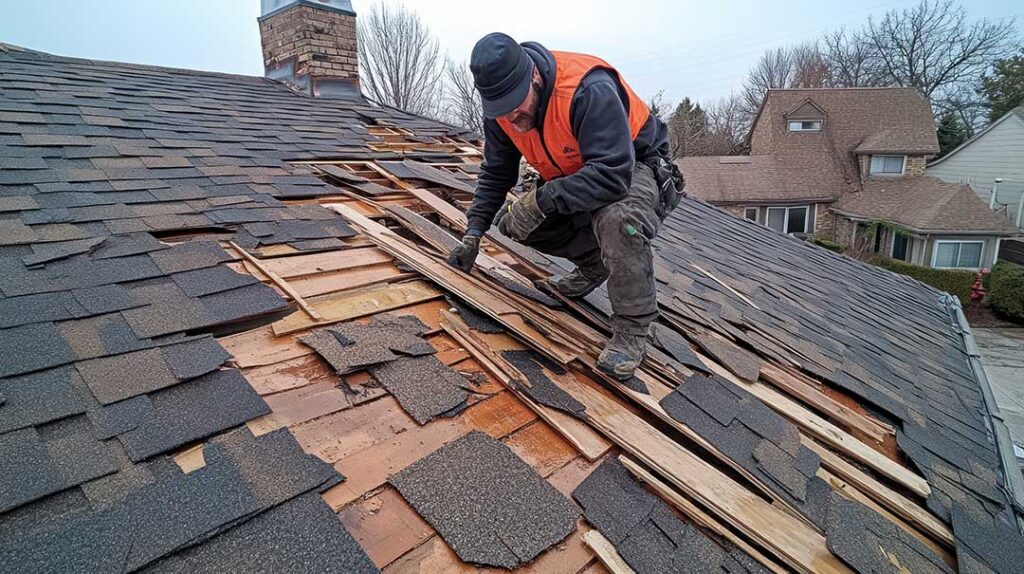
Roof decking is the structural surface beneath shingles or other roofing materials, often made of plywood, oriented strand board (OSB), or, in older homes, wood planks. Its purpose is to provide a stable base for roofing materials, support for roof loads (such as snow), and a barrier against moisture and wind.
In Hamlin, NY, extreme seasonal shifts and winter snowfall put considerable demand on this hidden layer. A well-built and maintained deck will help the roof system last longer and keep homes protected.
What Materials Are Used for Roof Decking?
Most houses in the community use either plywood or OSB panels for roof decking. Both are engineered woods, but they have differences in strength and moisture resistance:
- Plywood is sturdy, handles moisture fluctuations well, and is less likely to swell when exposed to brief leaks.
- OSB offers similar structural performance at a lower cost. However, it can be more susceptible to edge swelling if moisture repeatedly seeps through the roofing above.
Older homes in the area might still have solid wood planks, especially if they predate the 1960s. These plank decks can be durable but sometimes shrink, warp, or split over time, creating gaps.
How Can Hamlin Residents Spot Signs of Decking Problems?
Issues with roof decking are often discovered during a roof replacement, but there are several clues that can signal trouble sooner:
- Sagging or uneven rooflines often indicate weakened sections of decking, possibly from chronic leaks or rot.
- Ceiling stains or interior dampness beneath the attic could point to moisture getting through both the roof covering and the decking.
- Soft or springy spots underfoot when walking (gently and only if safe to do so) in the attic may signal compromised areas.
Because structural issues can pose safety risks, anyone unsure about the soundness of their decking should avoid accessing the attic space directly and seek professional evaluation.
What Causes Decking Damage in This Region?
In Hamlin, decking problems most often result from extended exposure to moisture — including:
- Ice dams: Heavy winter snow and freeze-thaw cycles can allow water to back up under shingles and reach the decking.
- Persistent leaks: Even small leaks around vents, chimneys, or flashing can infiltrate decking over time.
- Ventilation issues: Poor attic airflow lets warm, moist air from the living space linger, making decking more vulnerable to mold or rot.
In rare cases, improperly installed roofing, storm events, or pest infestations can also contribute to decking deterioration.
Is It Always Necessary to Replace Decking During a New Roof Installation?
Not all roof replacements require new decking. If existing decking is structurally sound, dry, and free of rot or major damage, new roofing materials can be installed directly on top. However, most roofing codes require roofers to inspect all exposed decking when old shingles are removed. Damaged or unsafe sections are then replaced with new material. Local building codes, along with best practices for weather resilience, guide these decisions.
How Thick Should Roof Decking Be for Local Conditions?
For most homes in the area, 1/2-inch thick plywood or OSB is standard for roof decks with standard joist spacing. However, if rafters are spaced farther apart, a thicker material may be required. This is especially relevant in parts of Hamlin where older construction practices or custom builds may differ from modern code.
Local building regulations set minimum thickness requirements due to heavy snow loads that can accumulate on rooftops during winter storms. Reinforcing with thicker decking when re-roofing can offer added peace of mind and protection from sagging or bowing.
What Role Does Roof Decking Play In Energy Efficiency?
A sturdy, properly sealed decking helps retain heat during cold months and keeps homes cooler in summer by preventing air leaks. Inadequate or damaged decking leaves gaps for conditioned air to escape, making heating and cooling less effective and more expensive for area households.
Proper installation of insulation and attic ventilation, in conjunction with well-sealed decking, helps prevent condensation and promotes a healthy, energy-efficient living space.
Are There Common Misconceptions About Roof Decking?
Several myths persist about decking among homeowners:
- Decking doesn’t need inspection if the roof looks “fine.” Hidden leaks or rot can progress for years without outward signs.
- All wood decks are equally durable. Material quality, thickness, and moisture protection greatly affect lifespan.
- Repairs can wait until a leak is obvious. Waiting risks structural complications and higher repair costs.
Being proactive and understanding the importance of this unseen layer can prevent avoidable repairs.
What Steps Can Homeowners Take To Maintain Decking Health?
Routine visual checks of the attic (when safe and possible), keeping gutters clear to prevent water overflow, and watching for ice dams in winter can delay or prevent decking damage.
Upgrading attic ventilation and insulation pays off by reducing moisture buildup and extending the lifespan of the decking and roof system as a whole.
