
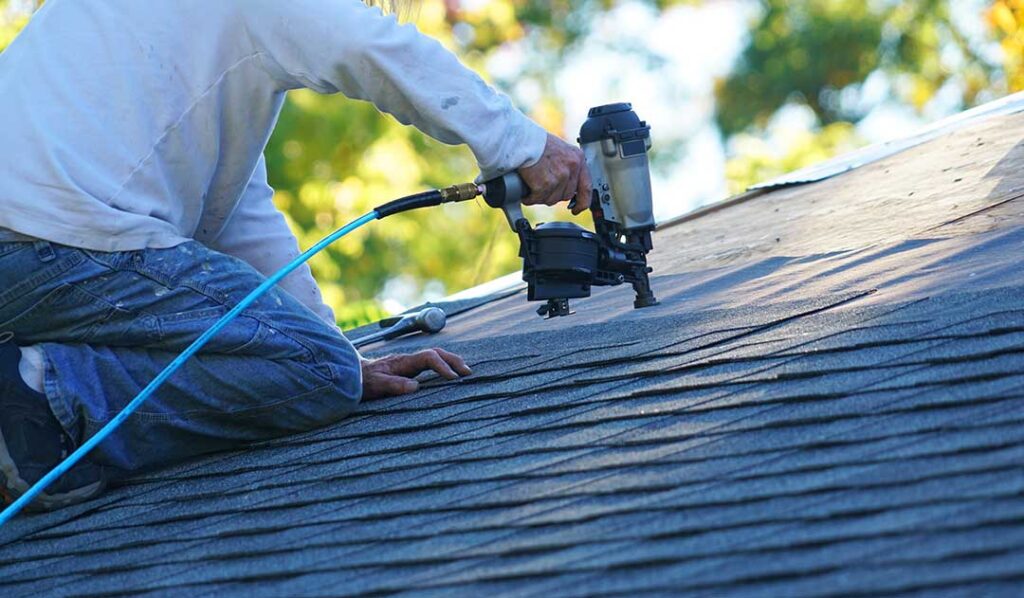
Replacing a roof creates more than shingles. Tear-off work may leave behind underlayment, metal flashing, pipe boots, gutters, vents, nails, insulation, and pieces of sheathing. Some materials can be recovered or recycled, but roofing debris generally does not belong in curbside recycling.
For residents in Hamlin, NY, the safest approach is to identify each material, keep recyclable items separated, and confirm acceptance with the destination before hauling a load. Roofing waste is usually managed as construction and demolition debris rather than household recycling. ([dec.ny.gov](https://dec.ny.gov/environmental-protection/waste-management/solid-waste-management-facilities/construction-demolition-debris-processing?utm_source=openai))
Can old asphalt shingles be recycled?
Yes, asphalt shingles can sometimes be recycled, but acceptance depends on the facility and the condition of the material. New York State regulations recognize uncontaminated asphalt roofing shingles and roofing paper as construction and demolition materials that registered facilities may receive. ([dec.ny.gov](https://dec.ny.gov/environmental-protection/waste-management/solid-waste-management-facilities/construction-demolition-debris-processing?utm_source=openai))
Recycled shingles may be processed for use in paving-related materials or other construction applications. However, recycling availability is not universal. New York has historically had limited infrastructure and markets for recovering roofing shingles, so a facility may accept shingles for construction debris processing without guaranteeing that every load will become a new product. ([extapps.dec.ny.gov](https://extapps.dec.ny.gov/docs/materials_minerals_pdf/frptbeyondwaste.pdf?utm_source=openai))
Before transporting shingles, ask:
- Are asphalt shingles accepted?
- Must the load be source-separated?
- Are roofing nails allowed?
- Is a fee charged?
- Are small residential loads accepted?
- Are shingles required to be free of wood, insulation, plastic, and household garbage?
A facility’s rules can change based on available markets, contamination, equipment, and storage capacity.
What should be separated from the shingles?
Sorting roofing debris before loading improves the chance that useful materials will be recovered. It also reduces the risk of rejected loads.
Separate these materials where practical:
- Metal flashing, gutters, drip edge, and vents: Clean metal may have a separate scrap-metal recycling route.
- Aluminum components: Keep aluminum apart from steel when possible.
- Roofing shingles: Place asphalt shingles in a dedicated pile or container.
- Roofing paper and underlayment: Ask whether these materials may be combined with shingles.
- Wood decking and trim: Untreated, unpainted wood may have different handling requirements.
- Plastic packaging and tarps: These usually do not belong with shingles.
- Insulation and drywall: These are separate construction materials and should not be mixed into a shingle load.
- Nails and fasteners: Leave them with the shingles only if the receiving facility allows them.
Do not place roofing debris in a curbside recycling cart. Monroe County’s residential recycling program is designed for approved household recyclables, while construction waste is excluded from the ordinary mixed-recycling stream. ([monroecounty.gov](https://www.monroecounty.gov/des-residentialrecycling?utm_source=openai))
Where can roofing debris go locally?
A municipal recycling center or household hazardous-waste drop-off is not automatically equipped to handle roofing materials. Monroe County’s ecopark specifically lists building materials and construction waste among items it does not accept. ([monroecounty.gov](https://www.monroecounty.gov/ecopark-garbage?utm_source=openai))
Roofing debris is more appropriately directed to a construction and demolition debris facility, transfer station, landfill, or waste hauler that confirms acceptance in advance. New York State maintains regulations for facilities that receive and process construction and demolition materials, including uncontaminated asphalt shingles and roofing paper. ([dec.ny.gov](https://dec.ny.gov/environmental-protection/waste-management/solid-waste-management-facilities/construction-demolition-debris-processing?utm_source=openai))
For a household project, the practical sequence is:
1. Estimate the amount and type of debris.
2. Separate metal, wood, shingles, and general waste.
3. Call the intended facility before loading the vehicle.
4. Ask whether residential drop-offs are allowed.
5. Confirm limits, hours, fees, tarp requirements, and contamination rules.
6. Keep the load covered during transport.
Do not assume that a nearby landfill accepts direct residential deliveries. Monroe County, for example, states that Mill Seat Landfill does not accept waste directly from residential customers. ([monroecounty.gov](https://www.monroecounty.gov/des-millseat?utm_source=openai))
How should homeowners handle old roofing materials that may contain asbestos?
Suspected asbestos-containing roofing materials should not be broken, swept, cut, or mixed with ordinary shingles. Older roofing products, roofing felts, flashing compounds, insulation, and cement-based materials may require special evaluation, particularly if they are brittle, damaged, or being removed from an older structure.
New York State construction and demolition facilities may accept asphalt shingles and roofing paper only when they contain no friable asbestos. Friable asbestos waste is excluded from the ordinary construction-and-demolition debris category and requires specialized handling. ([dec.ny.gov](https://dec.ny.gov/environmental-protection/waste-management/solid-waste-management-facilities/construction-demolition-debris-processing?utm_source=openai))
Warning signs include:
- Unusually old roofing assemblies
- Crumbling or powdery material
- Multiple roofing layers with unknown history
- Cement-like sheets or coatings
- Debris that breaks apart into dust
- Material identified in previous building records as asbestos-containing
If asbestos is suspected, stop disturbing the material and obtain information about testing and regulated disposal before continuing. Do not place questionable debris in a curbside cart, burn pile, or ordinary construction-waste container.
Can metal roofing parts be recycled separately?
Often, yes. Metal flashing, aluminum gutters, steel vents, copper components, and other clean metal pieces may have a more established recycling route than mixed roofing debris. Remove excessive tar, insulation, wood, and plastic where possible.
Metal recycling facilities commonly require materials to be reasonably clean and free of attached nonmetal parts. Because acceptance rules vary, confirm whether painted, coated, or tar-covered pieces are allowed. Keep sharp edges contained, and use gloves when sorting cut metal.
Roofing nails can often remain with asphalt shingles if the receiving facility is equipped to process them, but loose nails should never be placed in curbside recycling. They can damage sorting equipment and create hazards for collection workers.
What should happen to reusable materials?
Not every removed roofing component is waste. Undamaged architectural elements, slate pieces, clay tiles, copper flashing, vintage vents, and solid lumber may be reusable if they are clean and structurally sound.
Reuse is most realistic when materials are:
- Kept dry
- Stacked carefully
- Free of mold and excessive tar
- Not cracked, delaminated, or rusted through
- Clearly identified by type and approximate size
However, reused roofing materials should not be installed merely because they look intact. Water exposure, hidden brittleness, and uncertain age can make older materials unsuitable for weather protection.
How do seasonal conditions affect storage in Hamlin?
Roof replacement often occurs during warmer months, but roofing debris may sit temporarily during wet or windy weather. Rain and snow can add substantial weight to a debris pile, while wind can scatter lightweight underlayment, plastic wrap, and loose shingles.
Keep materials:
- On a stable surface away from storm drains
- Covered but ventilated enough to avoid water pooling
- Secured against wind
- Clear of driveways, sidewalks, and emergency access areas
- Away from children, pets, and areas where nails may become hidden
Never burn shingles, roofing paper, treated wood, or mixed demolition debris. Burning can release hazardous smoke and leave behind nails and contaminated ash.
What is the simplest responsible disposal plan?
For most residential projects, the clearest plan is to separate clean metal from shingle debris, keep suspected hazardous materials out of the load, and arrange delivery to a facility that specifically accepts roofing or construction debris. The Monroe County “How Do I Recycle?” search tool can help identify current handling information for many household materials, but roofing waste still requires confirmation with the receiving facility because it is not ordinary curbside recycling. ([monroecounty.gov](https://www.monroecounty.gov/ecopark-search?utm_source=openai))
A roofing load is ready for transport when its contents are identified, covered, separated as required, and accepted by the destination in advance.
